There are hamlets in rural Lancashire and the Yorkshire Dales with gigabit symmetric fibre — faster and cheaper than most of London — because the residents built it themselves.
That is not a metaphor. Farmers ploughed ducts across their own land, volunteers pulled fibre, and a community benefit society ran the network. It happened because the commercial case for building there was hopeless and waiting was not working.
Community fibre is a real route for places commercial operators will not reach. It is also considerably more work than any comparison site will tell you. Here is an honest account.
Why some places never get built to
Every operator weighs cost per property against expected revenue. Dense streets are cheap; scattered rural properties are not. A village three miles from the nearest fibre needs a spine built out before a single customer connects.
Revenue per property barely varies. So the build follows cost, and some places never clear the bar — not because anyone is being unfair, but because the arithmetic does not work at any commercial price.
Community schemes change the arithmetic by contributing the things that cost most: land access, labour, and guaranteed demand.
The models, from least to most effort
1. Aggregated demand registration
The lightest version. Enough households in one area register interest with an operator that the area moves up the build schedule.
Effort: low. Cost: nothing. Effectiveness: genuinely real at the margin — build decisions are made on expected take-up, and forty registrations is a business case where one is a data point.
This should always be step one, because it is free and sometimes it is enough.
2. Voucher-funded schemes
Government subsidy schemes have existed in various forms to fund rural connections, typically letting a group of properties pool vouchers toward the cost of a build, delivered through a registered supplier.
The specifics — the scheme name, the value, whether it is currently open — change regularly. Check the current position rather than relying on any article, including this one. What persists is the shape: pooled public subsidy plus a supplier willing to build.
Effort: moderate. Someone has to coordinate neighbours and liaise with a supplier. Cost: often little or nothing to households.
3. Community partnership with an operator
The community organises demand, sometimes contributes funding, and occasionally provides labour or land access. The operator builds, owns and runs the network.
Effort: significant. Usually needs a committed group of several people over months. Cost: varies; sometimes a contribution per property.
4. Build and own it yourselves
The full version, and the one that produces the remarkable results. A community benefit society raises funds through community shares, secures wayleaves from local landowners — usually free, because the landowners are the beneficiaries — and builds the network with a mix of paid staff and volunteers.
Effort: very high. Years, not months. Cost: real money, raised locally. Result: where it works, world-class connectivity and a network the community owns, with any surplus staying local.
This is not for everyone. It works where there is a critical mass of determined people, cooperative landowners, and enough properties to sustain a network afterwards.
What actually determines success
Having watched which schemes get built and which stall, the pattern is fairly consistent.
One or two people who will not let it drop. Almost every successful scheme has them. It is the single strongest predictor.
Landowner cooperation. Rural fibre crosses fields. Farmers willing to allow ducting — and often to dig it themselves — remove the largest cost in the project. Where a single landowner refuses on a critical route, schemes die.
Realistic scope. Connecting a defined village works. “The whole valley” usually does not, at least not at first.
A supplier who wants the work. Not every operator is interested in community projects. Those that are tend to be regional altnets and specialist rural builders rather than national names.
Take-up commitments. A signed intention to subscribe is worth far more than expressed enthusiasm. Funders and operators both price on it.
The first three steps
1. Count the properties. How many homes and businesses would connect? Below about thirty, most models struggle. Above a hundred, you have something an operator will take seriously.
2. Find out what is already planned. Sometimes a build is coming and nobody told the village. Ask the operators active in your county, and ask the local authority’s digital infrastructure team — most have one, and they usually know what is funded and scheduled.
3. Talk to a scheme that has done it. The community fibre world is unusually generous with advice. An hour with someone who has built one will save you months, and they will tell you honestly whether your situation is workable.
The honest warnings
It takes longer than anyone estimates. Multi-year is normal.
It is a real organisational commitment. Meetings, funding applications, wayleave paperwork, and chasing neighbours. If nobody is willing to own that, the scheme will not happen regardless of how good the case is.
Not every village should do this. If a commercial operator is likely to build within a couple of years, waiting may be the rational choice — and fixed wireless can bridge the gap well in the meantime.
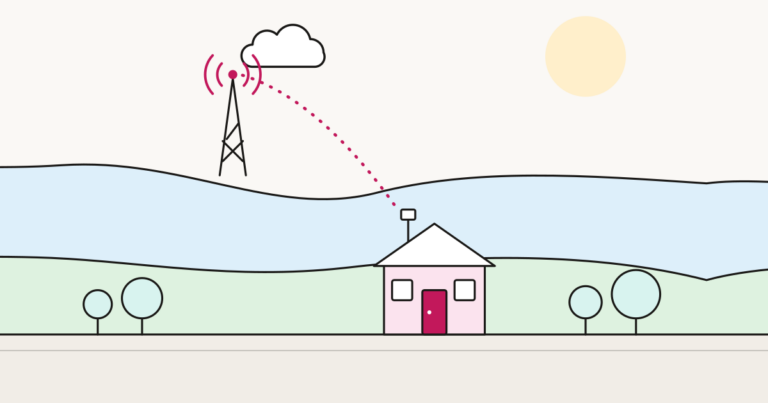
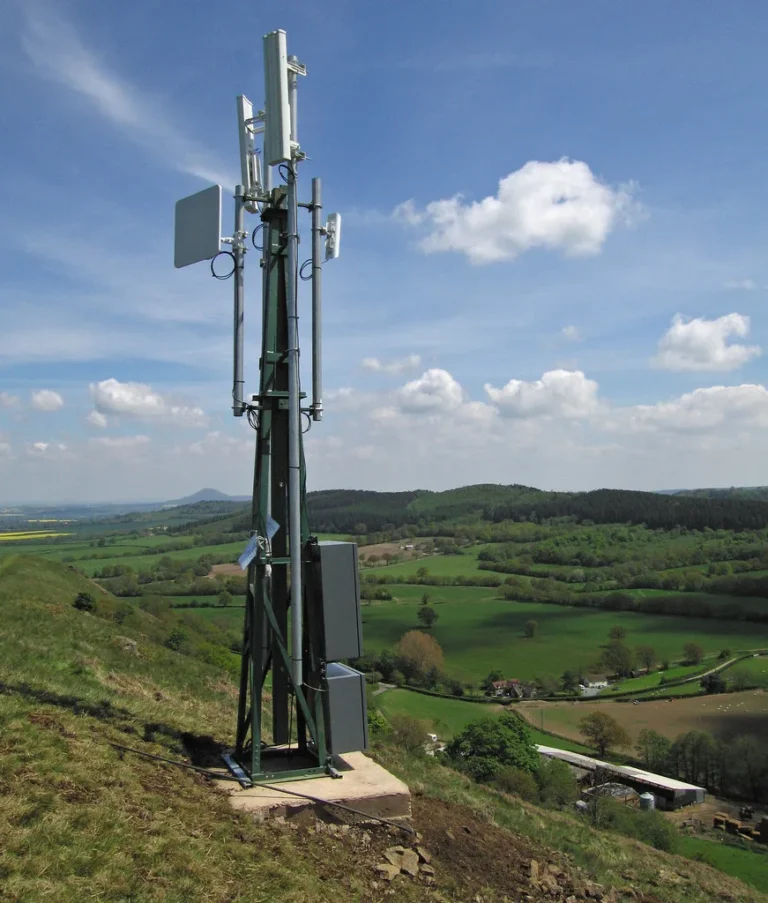
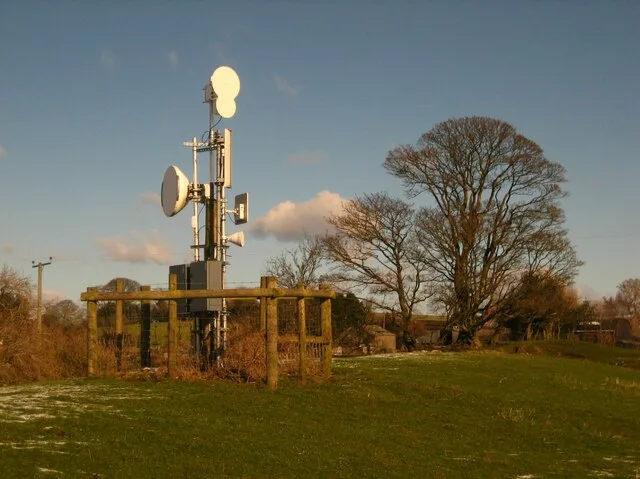
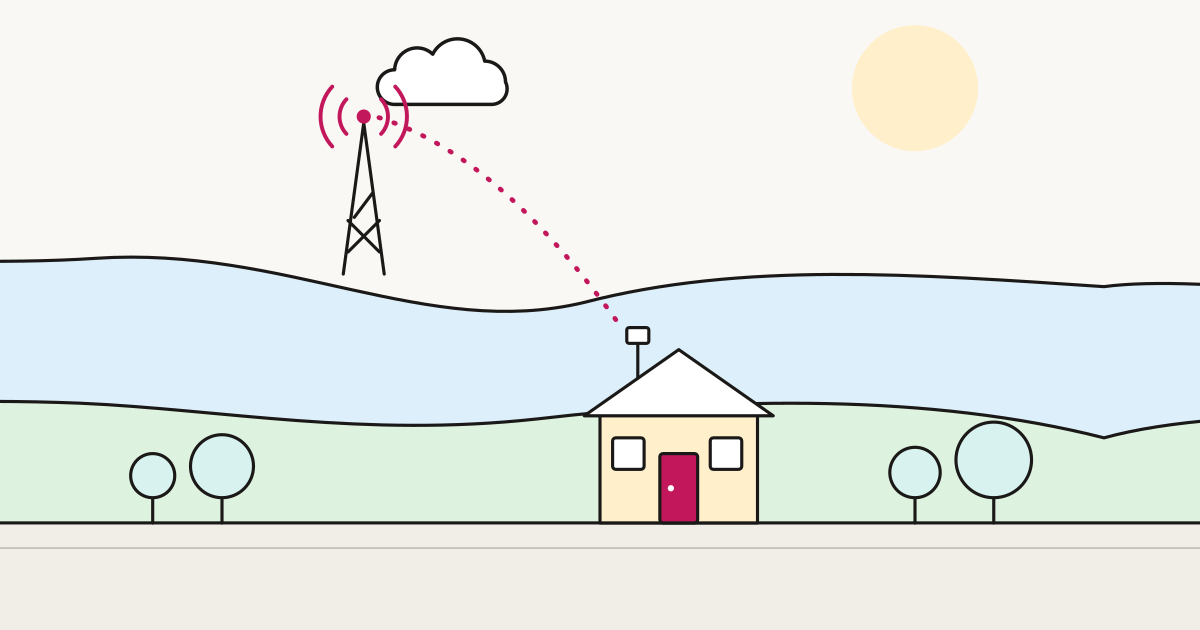
Check whether you actually need it. Before committing years, check what is available now. A local fixed wireless operator may already serve your area by radio, and we list 58 providers that deliver at least partly that way, most of which never appear on mainstream comparison sites. It is not fibre, but it is available this month rather than in 2029.
The reason it is worth knowing about
Community-built rural networks have produced some of the best connections in the country in some of the least likely places, and they were built by people who got tired of waiting.
If your village is genuinely at the back of the queue, this is the route that does not depend on someone else’s business case.
Sources
- gov.uk — Building Digital UK — rural connectivity programmes and vouchers
- inca.coop — INCA — Independent Networks Cooperative Association
- b4rn.org.uk — B4RN — community benefit society fibre network
- ofcom.org.uk — Ofcom — Connected Nations rural coverage