Switching broadband used to involve calling your existing provider, surviving a retention script, obtaining a code, and passing it to someone else. Enough people gave up partway that “cannot face switching” became a real reason households overpaid for years.
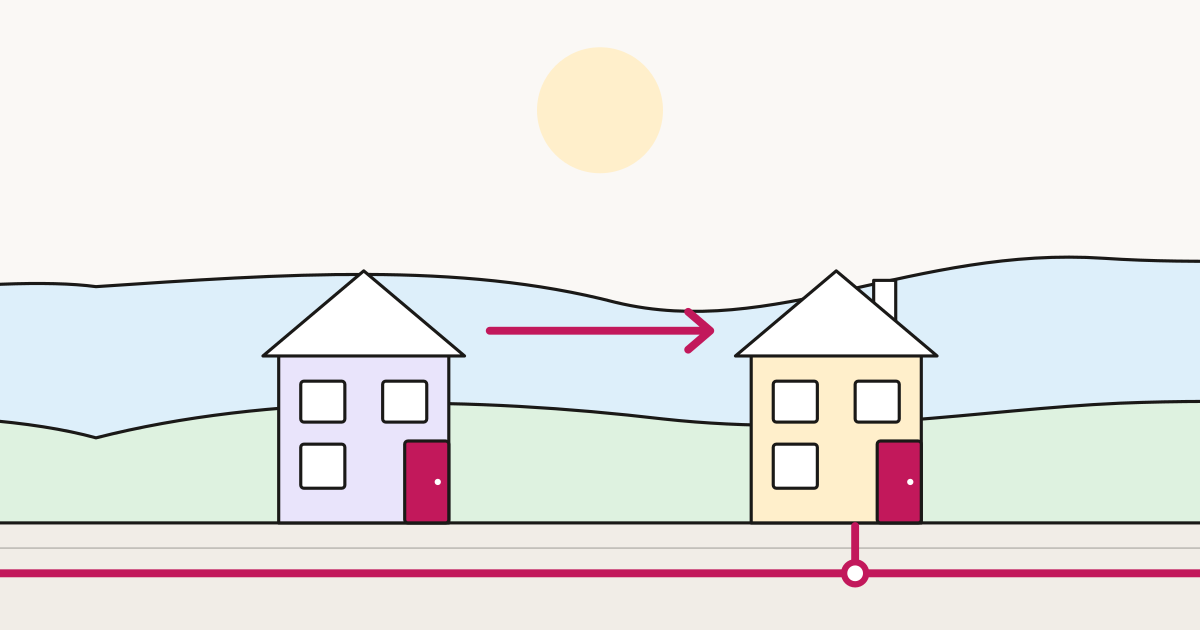
That process has been replaced. Under One Touch Switch, you contact only the provider you are moving to. They handle the rest, including telling your old provider you are leaving.
Here is what actually happens, and where it still occasionally goes wrong.
Before you start: three things to check
1. Are you in contract? If yes, find out the early termination charge before you do anything. It is normally the remaining months in full. Sometimes a new provider will pay it — several advertise contract buy-outs, one up to £300 in cash — but establish the number first.
2. What are you actually paying now? Not what you signed up for. Check a recent bill. If you are out of contract, the gap between your current price and a new-customer price is usually the largest saving available to you, and it needs no negotiation at all.
3. Is the new service available at your address? A postcode checker tells you what the line can carry. It does not tell you which companies serve your specific address — that gap is real, and the provider’s own checker is the authority. Our guide on what postcode data can tell you covers why.
The switch itself
You order from the new provider. That is the extent of your involvement in the cancellation. You do not need to call your existing provider, and you should not cancel yourself — doing so can break the automated process and leave you with a gap in service.
You receive a switching statement. The new provider must tell you what you are signing up to, and — importantly — whether leaving your current provider will cost you anything. If there is an early termination charge, this is where it should appear. Read it. This is the document that catches surprises.
There is a cooling-off period. Fourteen days for contracts agreed online or by phone, during which you can change your mind.
Your old provider contacts you. They must tell you the switch is happening and what it means for any other services on the account. This is also the point at which a retention offer may arrive. You are free to accept it — but if you do, you need to cancel the new order within the cooling-off window.
The switch happens on an agreed date. For like-for-like switches on the same network, this is usually a matter of days and often needs no engineer.
How long will you be offline?
Same network, no engineer — typically minutes, sometimes nothing noticeable. Most Openreach-to-Openreach switches fall here.
Different network — moving from Openreach to a full-fibre altnet, or from cable to fibre, means a new physical connection. Expect an engineer visit and plan for a short overlap where you pay both providers for a few days. Do not cancel the old service until the new one is confirmed working.
New installation — if fibre has never been installed at your property, allow two to four weeks from order, sometimes longer. This is the timeline that catches students and new tenants: ordering on move-in day means a fortnight of tethering.
The four things that still go wrong
1. You cancel the old service yourself. The single most common self-inflicted problem. It breaks the automated handover and can leave a gap. Let the new provider do it.
2. The address does not match. Switching is keyed to your address as the networks record it. Flats, subdivided houses and new builds frequently have mismatched records, and this is the most common cause of a switch stalling. If it happens, the new provider needs to resolve the address record — it is not something you can fix from your end, but chasing it helps.
3. Different networks means it is not really a switch. One Touch Switch works smoothly when both providers use the same underlying network. Moving between networks is closer to two separate transactions, and the coordination is looser. Assume overlap.
4. Other services on the same account. If your broadband is bundled with TV, mobile or a landline, switching the broadband may affect the rest. Ask explicitly what happens to the other services, and what the remaining bundle will cost.
Keeping your phone number and email
Landline number: normally portable. Say so when you order — it is not always automatic.
Provider email address: frequently lost, and this is the one that genuinely hurts people. An email address ending in your ISP’s domain usually belongs to the ISP. Some let you keep it for a fee or a grace period; many do not.
If you are still using one, move to an independent address before you switch, and update your bank, utilities and anything with two-factor recovery attached. This is worth doing regardless of switching — an email address you lose when you change supplier is a hostage.
If it goes wrong
You are entitled to automatic compensation for delayed switches, missed engineer appointments and total loss of service under the industry compensation scheme, if your provider participates. Most large ones do. It should be paid automatically as bill credit rather than needing a claim.
If it is not paid, or the problem is not resolved: complain in writing, get a final response or wait eight weeks, then escalate free of charge to CISAS or the Communications Ombudsman, whichever your provider belongs to. Their decisions bind the provider.
Keep dates. A short written log of what was promised and when is worth more than any amount of remembered frustration.
The bit worth repeating
The most valuable switch most people can make is not between providers at all — it is out of an out-of-contract price and onto any current one. No penalty, no negotiation, no code to obtain.
If you cannot remember when you last changed anything, check a bill against the same provider’s current new-customer price for the same service. The difference is often startling, and it is entirely within your control.
Sources
- ofcom.org.uk — Ofcom — One Touch Switch and switching rules
- ofcom.org.uk — Ofcom — automatic compensation scheme
- ofcom.org.uk — Ofcom — end-of-contract and annual best tariff notifications
- cedr.com — CISAS
- commsombudsman.org — Communications Ombudsman